Living Teaching
The word doctriva combines the Latin roots for teaching (docere) and living (vivere). A classroom is a living place—an environment shaped by a unique teacher working with a unique set of students. No program, curriculum, or technology can replicate that fundamental reality. Teaching and learning are alive. The work here is to keep them that way.
The Challenge
Education is under pressure. Experienced teachers are leaving the profession, and newer ones are not finding reasons to stay. Many proposed solutions try to reduce teaching to a mechanical process through scripted curricula, pacing mandates, or AI personalization. These approaches share a common flaw: they treat teaching as a problem to be solved with optimization rather than a human practice to be developed. The most significant variable in student success remains a skilled, confident teacher. Growth in that skill does not happen by following a checklist.
The Core Teaching Framework
The Core Teaching Framework is a way of thinking through three foundational practices: managing the classroom environment, planning instruction, and assessing student progress. It addresses how these elements weave together in the daily reality of the classroom.
This is not a program or a prescription. It is a structure for developing the professional judgment that makes a teacher more effective, more comfortable, and more likely to stay in the profession.
Doctriva Learning Teachers Pay Teachers Store
We are proud to announce the opening of our Teachers Pay Teachers Store
Our initial offerings include rigorous, standards-based activities for middle school math, language arts, social studies, and science.
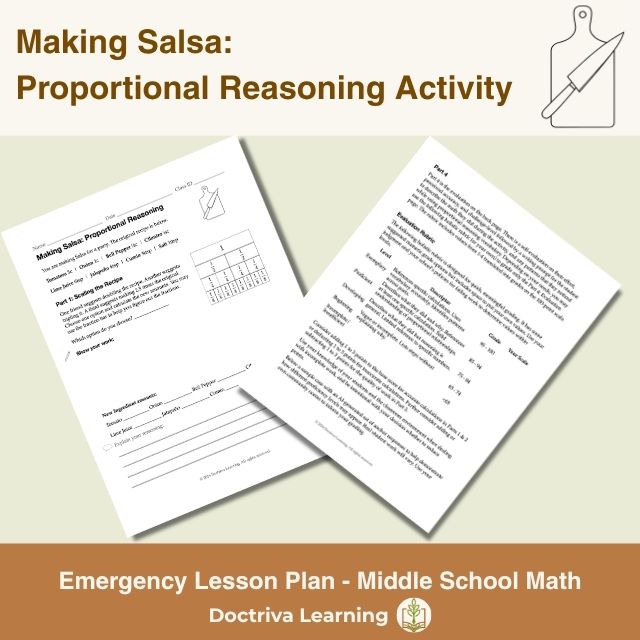
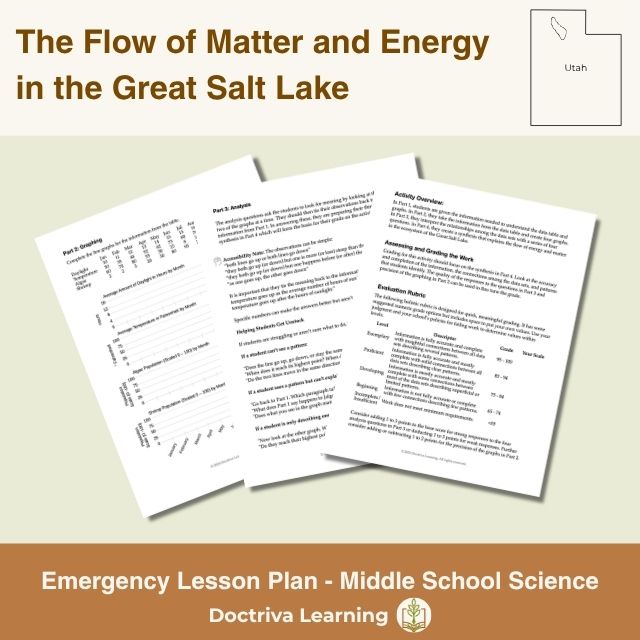
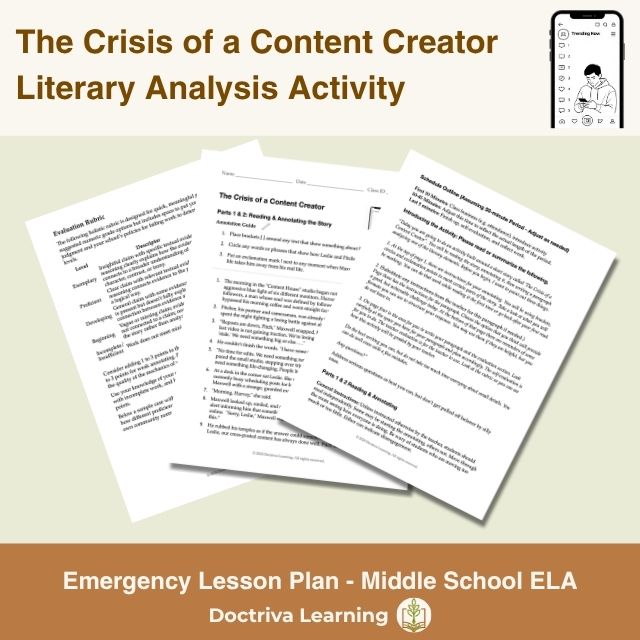
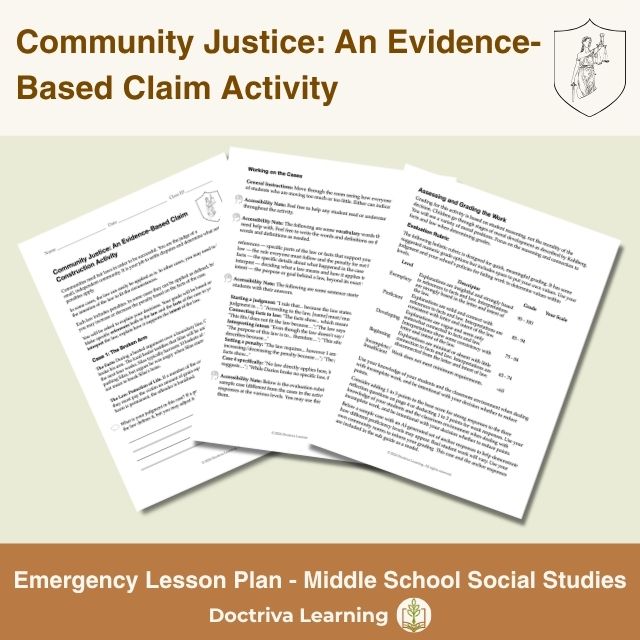
All activities print on two double-sided pages and are ready to go. They include a detailed guide for the substitute teacher and detailed information for grading including keys and holistic rubrics.
Going Deeper
The Core Teaching Framework is built on ideas worth contemplating, not just templates to apply. These articles explore the rationale behind the foundational practices.
Classroom Management – The Teacher as the Source of Stability
Creating a learning environment is more than just authority. Structure and relationships help keep the classroom calm and productive even when disruptions occur. Read More
Every Year is Different – Why Mechanical Solutions are Not Enough
Curriculum maps, scopes and sequences, or pacing guides are important tools in a teacher’s kit. They can not, however, account for all the variables that influence how a particular year progresses. Read More
Effective Assessment – Working Through The Imperfections of Grading
Assessment can be imperfect. That doesn’t mean that it’s not important. On the contrary, effective assessment is a necessary part of the teaching and learning process. Read More
The Person Behind the Work
Doctriva Learning and the Core Teaching Framework are the work of a 28-year veteran middle school teacher. The resources and ideas here exist because the long-term solution to education’s challenges isn’t more automated programs—it is supporting the expertise of the professionals in the room.